
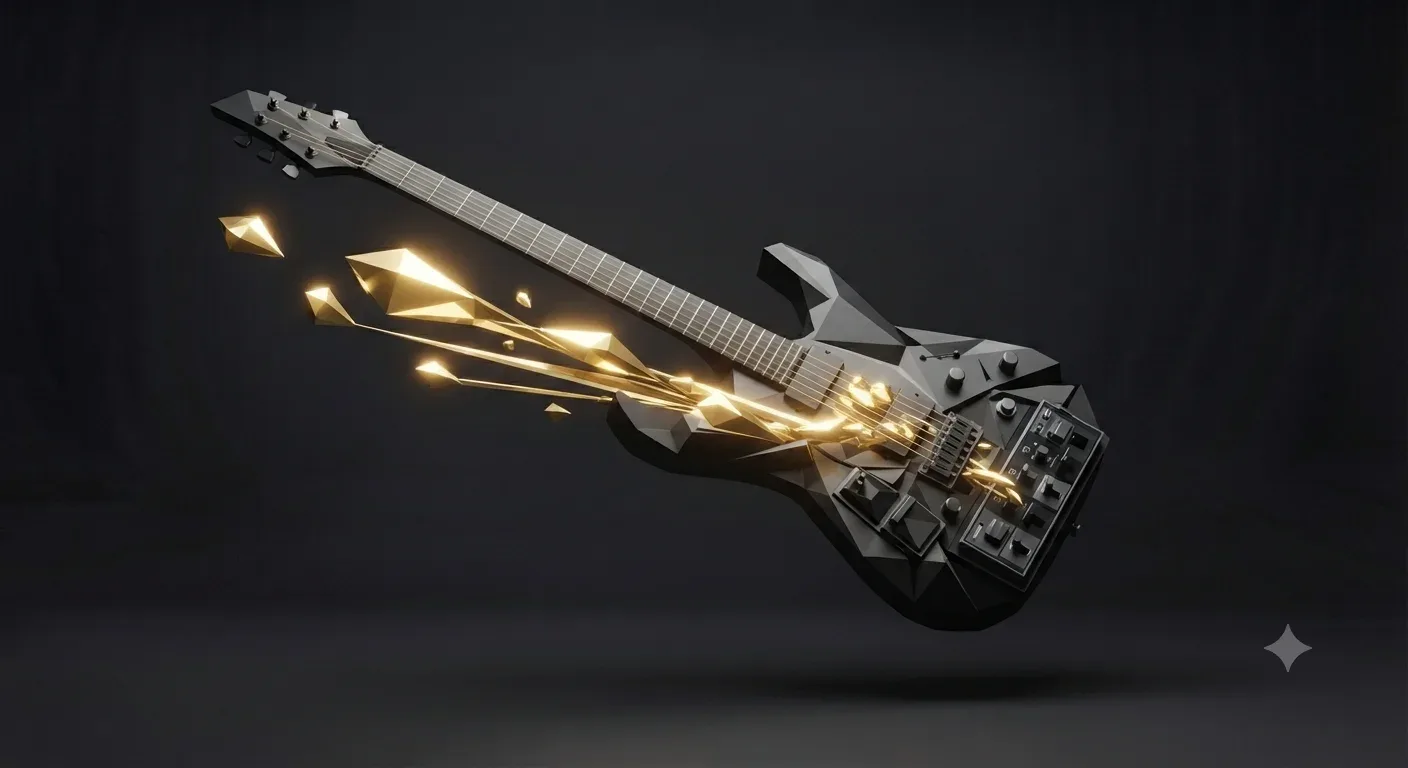
Say the tone.Your pedal dials it in.
Describe the sound you want, in your own words. The AI programs amp, drive and effects right into your BOSS GT-1 and keeps adjusting until it sounds right.
ClaudeThe GT-1 is on a clean patch. What do you want to play?
Your GT-1 has more tone than you've ever heard from it.
Dozens of amps and effects sit behind a tiny screen and aging software. That's why so many players never leave the factory presets. With Dial In you say what you want to hear and go straight to playing.
How it works
- 1
Connect
Plug the GT-1 into your computer over USB and open Claude.
- 2
Ask
A song, an artist, an amp or just a feeling. “An AC-30 style crunch” is enough.
- 3
Tweak while you play
“Dirtier”, “less treble”, “lose the delay”. When you like it, ask to save it to any slot.
Not a list of settings for you to copy.
Most AI tone apps hand you numbers to dial in knob by knob. Dial In writes them to the pedal. You ask, you play, you hear it right away.
Tones that came out of a conversation
Give me the Knee Socks soundMuff Fuzz into a VO Drive, subtle analog delay. Arctic Monkeys.
Do the Iron Man toneTreble Boost pushing an MS1959, mids up. Black Sabbath.
The Otherside cleanClean Twin with CE-1 style chorus and a touch of spring. Red Hot Chili Peppers.
Go With the Flow, right in your faceT-Scream into an Orng Rock, upper mids. Queens of the Stone Age.
What you need
- A BOSS GT-1 and a USB cable
- A Mac. Windows isn't supported yet
- The GT-1 driver and BOSS Tone Studio installed. Tone Studio stays closed while you play
- The Claude Desktop app. Dial In works inside its conversations
Other BOSS GT models and a ChatGPT version are on the way.
Common questions
Will it overwrite my patches?
Not without asking. Everything happens on the loaded patch. To write to a slot, Dial In shows what's there, asks for confirmation and makes a backup first.
What if I don't like a change?
Just say so. You can undo the last step or go back to what was saved.
Is it paid?
No. It's free and open source, under the MIT license.
Does it work on Windows?
Not yet. Mac only for now. Join the waitlist and tick Windows: demand decides when it ships.
Does it work with other pedals?
Only the GT-1 today. Leave your email below and tell us which one you have, that decides the next one.
Why does Tone Studio need to be installed?
Dial In reads the GT-1 parameter map from it. That map belongs to Roland and can't be redistributed. Keep the app installed but closed: when open, it reloads the patch and competes for the connection.
Does it send my data anywhere?
No. You talk to Claude like in any other conversation. Once per session the extension reads a public, signed file that says whether a new version is out. Nothing about you or your pedal is sent, and you can turn it off in the settings.
How do I update?
When a new version is out, Claude tells you in the conversation with the link. Download and open the file again: it replaces the old version and keeps your backups.
Who made it
Allan Kirsten, designer and product leader, guitarist in his spare time. Dial In started from wanting to play instead of scrolling through menus.
It's part of his Lab, where he publishes experiments from problem to product. The design case is coming soon. Allan on LinkedIn
Plug in the cable and ask for your first tone.
- 1
Download
One file, dial-in.mcpb.
- 2
Open it in Claude
Double-click the file, review the permissions and confirm. Claude Desktop sets up the rest.
- 3
Connect the GT-1
USB cable in, Tone Studio closed. Ask: “check my GT-1”.
- 4
Allow the microphone
The first time Claude listens to the pedal, macOS asks for permission. That's how it hears the GT-1's USB audio.
Another BOSS, Windows or ChatGPT?
Leave your email to hear when it's ready. You can also get only the new version notices.
BOSS and GT-1 are trademarks of Roland Corporation. Dial In is an independent project, not affiliated with Roland.